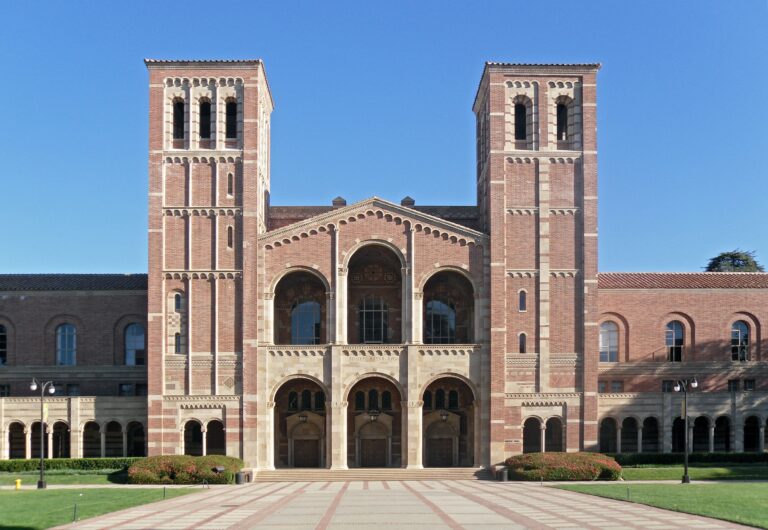

A Parent’s Roadmap to the University of Chicago
(For families with U.S. high school students — a practical 4-year plan)
If you’re a parent of a high school student aiming for the University of Chicago (UChicago), you’ve probably heard two things at once: it’s extremely competitive, and it’s “different.” Both are true. UChicago is known for its rigorous academics and its distinctive application essays that reward original thinking. But what often gets overlooked is this: UChicago isn’t just selecting students with top grades. It’s selecting students who can think deeply, write clearly, and demonstrate genuine intellectual curiosity over time.
This guide is designed to help parents support their students with a realistic, structured plan across four years of high school—covering academics, extracurricular depth, essays, and how to make the entire application feel cohesive and authentic.
1) What UChicago really looks for: “Intellectual Vitality”
UChicago practices a holistic review process, meaning it evaluates the full picture: course rigor, grades, writing, recommendations, activities, character, and fit. One of the most important (and very “UChicago”) qualities admissions readers look for is often described as intellectual vitality—a student’s drive to explore ideas beyond what is required.
In practical terms, intellectual vitality can show up as:
- Curiosity that turns into independent learning (reading, research, building, writing)
- A habit of asking “why?” and pursuing answers
- Strong writing that reveals how the student thinks
- Depth in a few meaningful activities rather than a long list of superficial ones
- Evidence of growth: the student is clearly more advanced and more intentional by junior year than they were as a freshman
As a parent, it helps to reframe the goal. The aim isn’t to “collect impressive items.” The aim is to help your student build a consistent academic and personal narrative that reflects how they learn and what they care about.
2) Understanding the competitiveness (and what it implies for strategy)
UChicago is among the most selective colleges in the country. In a pool where many applicants have excellent grades and challenging coursework, the difference often comes down to:
- Academic readiness (rigor + performance)
- Distinctive personal voice (especially in essays)
- Depth and impact in activities (not quantity)
- A clear sense of fit—why this student and why this school
UChicago also offers early application options (such as Early Decision), which can influence timeline and planning. Even if your student doesn’t apply early, the reality is that strong applications are typically built well before senior fall. Parents can help by encouraging early planning instead of last-minute scrambling.
3) Academics: “All A’s” matter, but rigor and direction matter more
UChicago does not publish a single rigid list of required high school courses, but it strongly favors students who take a balanced and challenging program. A competitive academic profile generally includes:
- English: 4 years
- Math: 4 years, ideally through calculus (and beyond if available)
- Science: 3–4 years, typically including biology, chemistry, and physics when possible
- History/Social Science: 2–3+ years
- World Language: 2+ years, ideally 3–4 years
- Advanced coursework: AP/IB/Honors/Dual Enrollment where appropriate
As a parent, the most helpful oversight is not “more APs at any cost,” but rather this:
- Are the course choices appropriate and challenging for your student?
- Do they align with the student’s emerging interests?
- Is the student developing the reading/writing/thinking skills needed for a discussion-driven college environment?
UChicago students typically thrive in intensive reading, writing, and analytical discussion. Encouraging strong writing habits early—through essays, research projects, debate, or journalism—often pays off later.
4) Extracurriculars: depth, commitment, and real impact
UChicago is not impressed by activity lists that feel like a resume made for college. It prefers activities that show genuine engagement and intellectual or community impact. Common strong areas include:
- Academic competitions and research: science fairs, Olympiads, research internships, independent projects
- Creative pursuits: theater, music ensembles, writing, literary magazine, visual arts, filmmaking
- Community engagement: sustained service with measurable outcomes (not one-time volunteering)
- Leadership and collaboration: planning events, improving programs, building teams, solving real problems
- Global and civic engagement: Model UN, cultural organizations, community organizing, policy-related initiatives
What matters most is not the title, but the substance. Encourage your student to be able to answer these three questions clearly:
- Why did I start this? (motivation)
- What did I learn and how did I grow? (development)
- What changed because I was involved? (impact)
A student doesn’t need a massive organization to show leadership. Improving a program, expanding participation, building a tool, mentoring younger students, or launching a small initiative can be equally compelling—if the story is specific and credible.
5) UChicago essays: originality is not “quirky”—it’s thoughtful
UChicago’s supplemental essay prompts are famous for being creative and unconventional. But the point isn’t to be weird for the sake of being weird. The point is to reveal how the student thinks—how they make connections, build arguments, use examples, and reflect.
UChicago prompts often test:
- Metaphorical thinking and creativity
- Logic and reasoning (including estimation and problem-solving)
- Philosophical reflection and personal insight
- The ability to write with voice, clarity, and structure
- Genuine interest in the University’s academic culture (especially in the “Why UChicago” essay)
How parents can help (without overstepping):
- Ask questions that deepen thinking rather than providing answers
- Encourage multiple drafts and feedback cycles
- Help your student choose topics that feel personal and specific, not generic
- Make sure the final essay sounds like your student—not like a brochure or a “perfect” adult voice
A simple but powerful parent habit: when your student shares an idea, ask,
- “What makes you believe that?”
- “What would someone disagree with, and why?”
- “What experience shaped that view?”
These questions naturally build stronger arguments and more authentic writing.
6) A practical 4-year roadmap (what to focus on each year)
9th Grade: Build foundations
- Choose appropriately challenging classes (Honors when reasonable)
- Develop consistent study habits and strong writing basics
- Explore clubs and interests broadly
- Start a reading habit and keep brief reflections (even a simple notebook works)
10th Grade: Start specializing
- Begin AP/IB/Honors progression strategically (balance matters)
- Identify 1–2 areas of genuine interest and begin going deeper
- Start a small independent project (research, creative portfolio, community initiative)
- Practice essay-style writing and seek feedback
11th Grade: Produce outcomes and prepare early
- Take the strongest level of coursework the student can handle successfully
- Build tangible results in activities (leadership, awards, publications, project deliverables)
- Attend info sessions, virtual events, or campus opportunities to understand fit
- Begin drafting personal statement and exploring UChicago supplements by spring/summer
12th Grade: Refine and execute
- Finalize essays with multiple revision rounds
- Request recommendations early and provide teachers with helpful context
- Track all deadlines carefully (applications + financial aid forms)
- Prepare for optional interviews if offered (focus on clarity, reasoning, and personality)
7) Financial aid: plan early to reduce stress
UChicago provides need-based financial aid and has processes that may require detailed documentation. Families should plan ahead by:
- Using the school’s Net Price Calculator to estimate costs
- Preparing documents early (tax forms, income verification, required profiles)
- Tracking deadlines carefully, especially if applying early
Early planning gives families more clarity and better decision-making.
Closing thoughts: help your student build a coherent “intellectual story”
UChicago admits students who show they are academically ready, yes—but also students who demonstrate a distinctive way of thinking, a meaningful pattern of curiosity, and the ability to express ideas through strong writing.
The best role parents can play is to support structure and consistency:
- Encourage challenging but reasonable academics
- Help the student go deeper (not wider) in activities
- Provide a calm environment for reflection and writing
- Keep timelines and paperwork organized
- Let the student’s voice remain front and center
With a thoughtful four-year plan, your student can develop into the type of applicant UChicago is looking for—and, more importantly, into the type of learner who will thrive there.
Thank you.
For more detailed education and financial aid consulting: Elite Prep Suwanee
www.eliteprep.com/suwanee
We provide personalized strategies tailored to your child’s specific situation.
Andy Lee / Elite Prep Suwanee powered by Elite Open School
1291 Old Peachtree Rd, NW #127
Suwanee, GA 30024
Email: andy.lee@eliteprep.com Tel & text: 470.253.1004
🎥 www.youtube.com/@andyssamTV