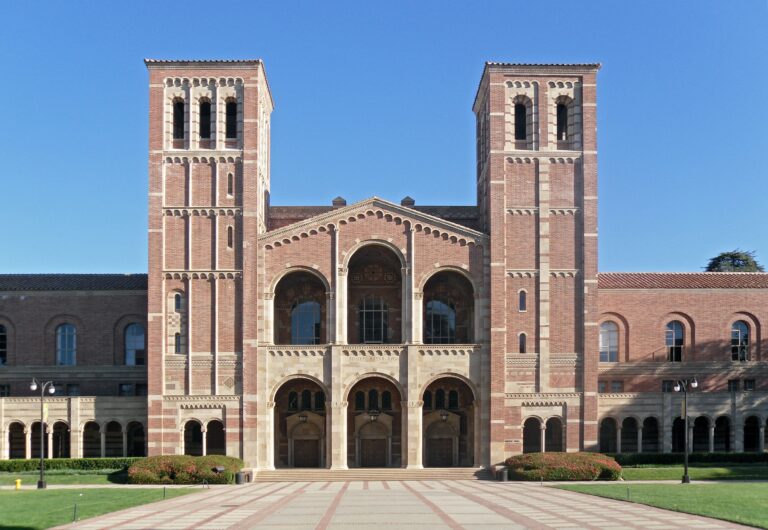
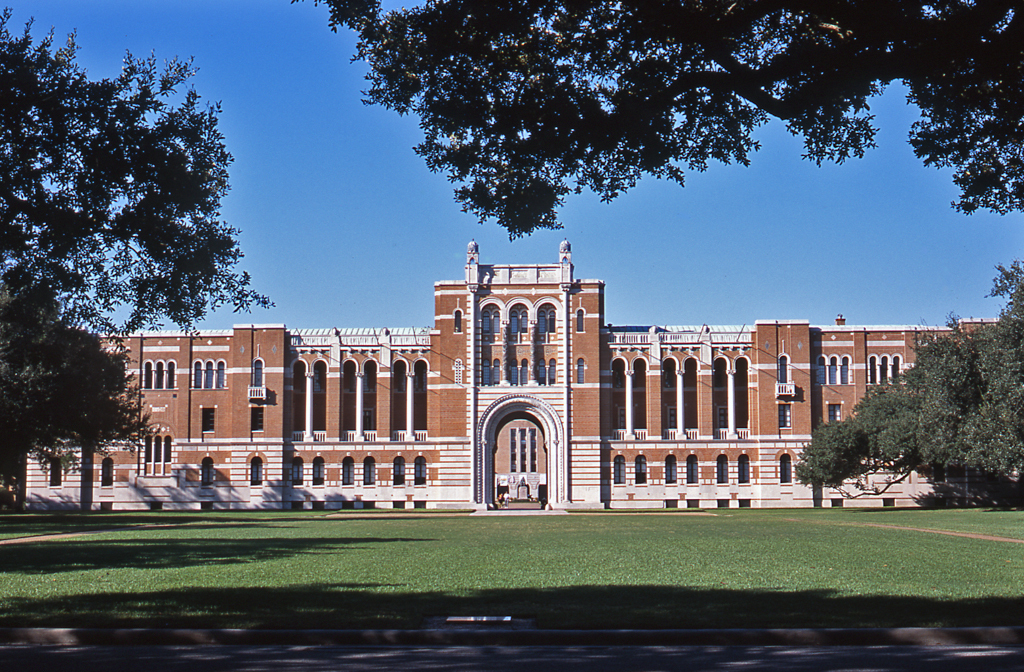
Rice University – A Parent’s Guide to Your Child’s Successful Admission to a Top U.S. University
1. Introduction
Located in Houston, Texas, Rice University is one of the leading private research universities in the American South. Founded in 1912, the university is widely recognized for combining a small, undergraduate-focused learning environment with world-class research excellence.
Rice is often referred to as a “Southern Ivy” because of its rigorous academic standards. It is especially strong in engineering, natural sciences, architecture, business, and life sciences. With a low student-to-faculty ratio of approximately 6:1 and its distinctive Residential College system, Rice offers a unique educational environment that supports each student’s individual growth.
Reasons Korean-American parents may consider setting Rice as a target school include:
- Academic standards comparable to the Ivy League
- A relatively small undergraduate population (approximately 4,500 students)
- Strong connections to leading companies and medical centers in Texas
- Abundant undergraduate research opportunities
- Generous financial aid policies
2. Admission Statistics & Application Requirements (Most Recent Data)
📊 Recent Admission Statistics
- Number of Applicants: Over 31,000
- Acceptance Rate: Approximately 7–9%
- Average GPA: 3.9 or higher (primarily A-range students)
- SAT Middle 50%: 1500–1560
- ACT Middle 50%: 34–35
Rice requires exceptionally high academic achievement. For STEM applicants in particular, strong performance in math and science courses is critical.
🏠 In-State vs. Out-of-State
As a private university, Rice does not differentiate between in-state and out-of-state applicants in its admissions standards. However, a significant portion of applicants are Texas residents.
📅 Application Deadlines
- Early Decision: November 1
- Regular Decision: January 4
Required Materials:
- Common Application or Coalition Application
- High school transcript
- Two teacher recommendation letters
- Counselor recommendation
- SAT/ACT scores (currently test-optional, but submission is recommended for highly selective institutions)
3. Selection Criteria: Importance of Admission Factors
Rice practices a holistic review process.
a. Academic Factors
- GPA and class rank (Top 5–10% recommended)
- Rigor of coursework (AP/IB/Honors)
- Consistency and upward trend in academic performance
- Challenging coursework related to intended major
b. Non-Academic Factors
- Specific and detailed teacher recommendations
- Personal Statement and Supplemental Essays
- Depth of activities (Depth > Quantity)
- Leadership and measurable impact
- Community engagement
4. Academic Preparation Strategy
a. Recommended High School Curriculum
Rice prefers students to complete the following coursework:
- English: 4 years
- Math: Through Calculus (Multivariable recommended for STEM applicants)
- Science: 4 years including Biology, Chemistry, and Physics
- Foreign Language: At least 3–4 years
- Social Sciences: Advanced/AP-level coursework recommended
For Engineering or Pre-Med applicants, taking AP Physics C, AP Chemistry, and AP Calculus BC is especially important.
b. Academic Qualities the University Values
- Intellectual curiosity
- Independent thinking
- A research-oriented mindset
- Collaborative learning
c. Application Strategy
Although Rice is test-optional, applicants with SAT scores of 1500 or higher are encouraged to submit their scores.
GPA is important, but course rigor carries even greater weight than the number alone.
5. Extracurricular Activities & Leadership
a. Types of Activities Rice Values
- STEM research (through medical centers or university labs)
- Robotics and Science Olympiad
- Debate and Model UN
- Music and the arts
- Community service initiatives
Houston is home to the world’s largest medical complex, the Texas Medical Center. Internships or research experiences connected to this institution can be a significant advantage.
b. Importance of Leadership Experience
- Founding a club
- Leading a community problem-solving project
- Establishing a nonprofit organization
- Serving as the lead on a research project
Rice tends to favor “quiet but impactful leaders.”
6. Financial Aid & Scholarships
a. Financial Aid Policy
Rice follows a need-blind admission policy (for U.S. citizens).
- Families earning under $75,000 annually may qualify for full tuition coverage.
- Loan-free financial aid policy
- Merit scholarships are limited
b. Application Process
- FAFSA
- CSS Profile
- Priority Deadline: Typically early February
7. Sample Profiles of Three Admitted Students
🧑🔬 Student A (Engineering)
- GPA: 4.0 (Top 3%)
- SAT: 1550
- 12 AP courses (including Physics C and Calculus BC)
- Robotics Team Captain
- Two years of university-level research experience
- Essay Topic: “The value of failure learned through problem-solving”
👩⚕️ Student B (Pre-Med)
- GPA: 3.95
- ACT: 35
- AP Biology and AP Chemistry
- 300 hours of hospital volunteering
- Founded a healthcare-related nonprofit organization
- Essay Topic: “Experiencing healthcare accessibility challenges in an immigrant family”
🎼 Student C (Architecture)
- GPA: 3.9
- SAT: 1510
- AP Art and Calculus
- National art competition awards
- Submitted an architecture portfolio
- Essay Topic: “The emotional impact of physical space”
8. Supplementary Essay Prompt Analysis
a. Recent Essay Topics
Rice includes questions related to its Residential College System.
Examples:
- Why are you interested in Rice University?
- What aspects of the Rice undergraduate experience excite you?
- How will you contribute to the Residential College system?
b. Strategy for Analysis
Rather than simply stating, “Because it’s a great school,” students should demonstrate:
- Specific professors or programs of interest
- Houston’s industry environment
- Personal qualities that would contribute to the Residential College community
c. Four-Year Preparation Strategy
Starting in 9th grade:
- Explore personal interests
- Build consistent community involvement
- Participate in summer programs
- Develop in-depth projects
Essays should showcase the process, not just the outcome.
9. Conclusion
Rice University is a highly competitive institution. However, with strategic preparation, it is absolutely a school worth pursuing.
Advice for parents:
- GPA management is the top priority
- Focus on depth, not quantity, in activities
- Emphasize your child’s strengths rather than comparisons
- The summer after 11th grade is a critical period
Rice is not simply looking for students with perfect grades. It seeks mature individuals who are ready to contribute meaningfully to their community.
Help your child design a meaningful four-year journey that builds a genuine personal story.
Thank you.
If you have any questions regarding your child’s college admissions journey, please feel free to contact us at any time.
www.eliteprep.com/contact-us
Tel: 470.253.1004
Andy Lee / Elite Prep Suwanee powered by Elite Open School
1291 Old Peachtree Rd, NW #127
Suwanee, GA 30024
470.253.1004
andy.lee@eliteprep.com
Website: https://is.gd/yt9rgu
YouTube: www.youtube.com/@andyssamTV