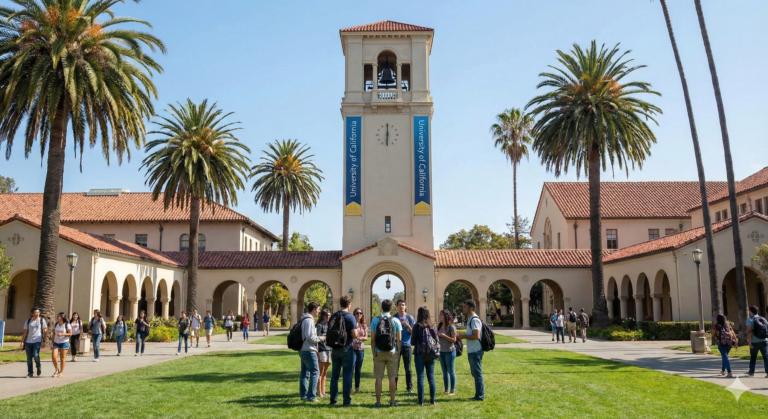

The True Nature of U.S. College Admissions:
It’s Not a “Grade Contest” — It’s About Building a Community
Many families assume college admissions in the United States is a competitive race measured by GPA, test scores, and extracurricular lists. In reality, admissions is a human-centered process. Colleges are not simply selecting the “best” students—they are shaping a community with intention, purpose, and balance.
Understanding this perspective changes how students apply, how parents support them, and how counselors guide the entire process.
🔥 1. Colleges Aim to Build an “Intentional Community”
Matt, Director of Admissions at Trinity College, describes it clearly:
“Admissions is not a competition based on grades.
We’re looking for the people who fit our campus.”
This means acceptance is determined by fit, not by who has the highest numbers.
Every college has its own personality, values, and rhythm—and looks for students who naturally align with that environment.
For example:
- St. John’s College → Students who love reading, debating, and deep reflection
- Colorado College → Outdoors-oriented, independent learners who thrive under the Block Plan
- Trinity College → Urban liberal arts students engaged in social issues
- Tufts University → Intellectual, curious, and a bit quirky
- Dartmouth College → Students who value belonging, tradition, and community activity
Colleges don’t want “the best students”; they want the right students.
🔥 2. What Students Must Do: Find Their Personal Fit
According to Erica from College Match:
“Most 17-year-olds don’t truly know themselves.
We begin by asking: Who are you?”
Encourage your student to reflect on questions such as:
- What environments give you energy?
- Who do you feel most comfortable around?
- Do you prefer urban campuses, suburban areas, or rural settings?
- Are you competitive, collaborative, discussion-driven, hands-on, experimental?
If a student doesn’t understand their own learning style, personality, and values, their college list will drift in the wrong direction—and the rest of their application will follow that mismatch.
Fit must come first. Strategy comes next.
🔥 3. What Colleges Look for in Essays: “Authentic Voice”
Admissions officers unanimously agree:
“We can instantly tell when a parent, tutor, or AI wrote the essay.”
An essay should not read like a polished press release.
It is a window into:
- the student’s emotions,
- vulnerability,
- personal growth, and
- unique perspective.
Even a common experience becomes powerful when told through the student’s own lens.
Authenticity—not perfection—is the key.
🔥 4. Why the “Why Us” Essay Is the Core of the Application
Former Penn Dean of Admissions Eric Furda explains:
“The Why Us question asks:
What meaning does this college hold for you?”
Common mistakes include:
- Copy-pasting the same Why Us essay for multiple schools
- Mentioning rankings or general “good environment”
- Only talking about the strong major
A strong Why Us essay requires:
- Reading the college’s Mission/About page
- Researching the real student vibe
- Connecting the school’s opportunities with the student’s experiences, values, and long-term goals
This essay is where students show why they belong on that campus.
🔥 5. Why the Mission/About Page Matters So Much
Chris, a counselor from Kentucky, puts it simply:
“The real clues are in the About page.
Most students never read it.”
Families should pay attention to:
- repeated words or themes
- highlighted values
- verbs that reflect the school’s educational philosophy (explore, engage, lead, seek)
- how the community is structured
These elements reveal what a college seeks in its students—and should align naturally with the application.
🔥 6. Where to Find the Real “Vibe” of a School
Ronnie, former admissions staff at Emory, emphasizes:
“A website alone can’t show you a school’s vibe.
You need to hear students talk about it.”
If visiting the campus is not possible, families can rely on:
- YouTube student-led campus tours
- Reddit student communities
- 1:1 virtual conversations with current students
- The tone and energy of the college’s social media posts
When choosing a college, the feeling matters as much as the academics.
🔥 7. Background, Culture, and Socioeconomic Status Are Assets
Many students try to hide or minimize their background.
Admissions offices see it differently.
Erica from College Match explains:
“Students don’t realize their background is special.
We see it as a resource for the community.”
Colleges actively value perspectives shaped by:
- rural or Appalachian communities
- first-generation students
- immigrant families
- low-income or working-class backgrounds
- urban challenges
- unique cultural identities
Your student’s background is not a disadvantage—it is part of their strength.
🔥 8. Admissions Is Not a Data Competition
Dartmouth Dean of Admissions Lee Coffin summarizes it perfectly:
“Scores are the ticket in.
The decision is about who you are.”
Numbers matter, but only as thresholds.
After that, acceptance comes down to:
- story
- human appeal
- potential contribution to the community
This is why understanding Fit—and showing it clearly—matters so much.
🔥 9. Key Takeaways for Students and Parents
For Students
- Your future is not decided by the name of the college.
- Discover your authentic voice.
- Focus on reflection and growth more than perfection.
- Show insight and vulnerability in your essays.
- Connect your identity with the school’s values in the Why Us essay.
For Parents
- The admissions process should support your child’s self-discovery, not increase pressure.
- Your preferred college may not be the one that fits your child best.
- Start financial planning long before 12th grade.
- Above all, help your child feel unconditionally loved—this is the foundation for confidence and resilience.
🔥 10. A Summary You Can Use Directly in Counseling Sessions
With Students
- You don’t need to act like “the student who gets admitted.”
- Colleges want the real you—your personality, interests, and lived experiences.
- Let’s build a Fit-centered strategy that highlights your unique strengths.
- The Why Us essay is your chance to explain why the school should welcome you into its community.
With Parents
- Admissions is a matching process, not a ranking contest.
- Each college shapes a different type of community.
- When your child finds the right Fit, their chances of acceptance increase naturally.
- Focus on your child’s identity development—not just the outcomes.
Thank you so much.
If you need personalized guidance, I’m here to help.
📞 470-253-1004
📧 andy.lee@eliteprep.com
🌐 Elite Prep Suwanee Website
🌐 Elite Open High School Website
🎥 www.youtube.com/@andyssamTV
Andy Lee
Elite Prep Suwanee powered by Elite Open School
1291 Old Peachtree Rd, NW #127
Suwanee, GA 30024
Source : Dartmouth Admission Podcast Series (https://bit.ly/446KN79)